


France, renowned for its cuisine and wine, delights people worldwide with its many wine-growing regions. The country boasts a unique wine heritage, with a mosaic of terroirs with infinite nuances. Every region has its distinct features, soils, and climate, ranging from the granite cliffs that plunge into the Rhône to the shimmering limestone of Languedoc, from the gentle clay-limestone hillsides of Burgundy to the small gravelly hills of the Médoc. The further south you go (Bordeaux, Languedoc, Rhône Valley, Provence), you'll find redder tannic wines, while you'll find lighter wines with higher acidity going north (Burgundy, Champagne and Loire Valley).
The main wine-growing regions
Bordeaux, Burgundy, Beaujolais, Champagne, Jura, Savoie, Bugey, Alsace, Lorraine, Loire Valley, Rhône Valley, Languedoc, Southwest, Provence, Corsica.

Source Ministere de l'Agriculture et de la Souveraineté Alimentaire
Bordeaux
With the largest vineyard area in France, spanning approximately 120,000 hectares, and an annual production of 6,000,000 hectoliters, Bordeaux is arguably the most well-known wine-growing region in the world. The Médoc, Blayais-Bourgeais, Graves, Pessac-Léognan, Cérons, Barsac, Sauternes, Entre-Deux-Mers, and Libournais are the six separate sub-regions of the Bordeaux region. Renowned wines are produced there thanks to a temperate oceanic climate and the diversity of soils specific to this region.
Characteristics
With Cabernet Sauvignon as the predominant grape variety, the red wines produced in the Médoc and the Graves region, on the left bank of Bordeaux, are dry wines with outstanding aging potential. Fruiter are those made primarily from Merlot on the Right Bank in the Saint-Emilion, Pomerol, and Entre-deux-Mers regions. To the northwest are the neighboring vineyards of Bourgeais and Blayais.
Merlot is the main grape used for Bordeaux red wines in the right bank, known for its complex aromas and strong tannins. Sauvignon blanc & Semillon produce especially fresh, fruity, and aromatic dry white wines with hints of citrus and flowers. Clairets presents blueberry and blackberry, as well as hints of dried herbs like thyme and a subtle earthy flavor, while sparkling wines, like Crémants, dry or sweet, offer finesse, elegance, and freshness with fruits, floral aromas, and aromatic complexity.
Burgundy
Chablis, Côte de Nuits, Côte de Beaune, Côte Chalonnaise, and Mâconnais are the five sub-regions that make up the world-famous Burgundy wine region, which is situated in the center-east of France. About 27,000 hectares make up the wine-growing region, which produces around 1,450,000 hl annually of Grands Crus, Premiers Crus villages, and regional wines. Vineyards in Burgundy produce a wide range of outstanding red wines and dry white wines, which distinguish themselves by their elegance and scents due to the variety of terroirs and Chardonnay grapes used almost exclusively for white wines and Pinot noir grapes for red wines.
Characteristics
Unexpected roundness and suppleness are provided by the reds. In their youth, they resemble red or black fruits and are very fruity. You will smell prune, undergrowth, or pepper after a few years of aging. White wine delivers delicious and lively, brioche, fruit, plant, and spice aromas, though each appellation has unique traits. These wines age well and become more complex with time.
Beaujolais
Located just south of Burgundy, Beaujolais is known for its light, fruity red wines, mostly made from the Gamay grape variety. Its vineyards span almost 24,000 hectares, and it produces about 1,200,000 hl annually. The most well-known appellations in Beaujolais are Beaujolais and Beaujolais-Villages. Beaujolais Nouveau, a primeur wine celebrated every third Thursday of November, has made the region famous worldwide. Some of the best Beaujolais wines, in ascending order of size and aging potential, are: Regnié, Chiroubles, Chénas, Saint-Amour, Fleurie, Brouilly, Côte-de-Brouilly, Juliénas, Morgon, and Moulin-à-Vent.
Characteristics
The Beaujolais-Villages AOC combines the full-bodied, rounded wines that the appellation is known. The north of the vineyard offers rich, fruity wines, structured wines in the center, and floral and refined ones in the south.
Champagne
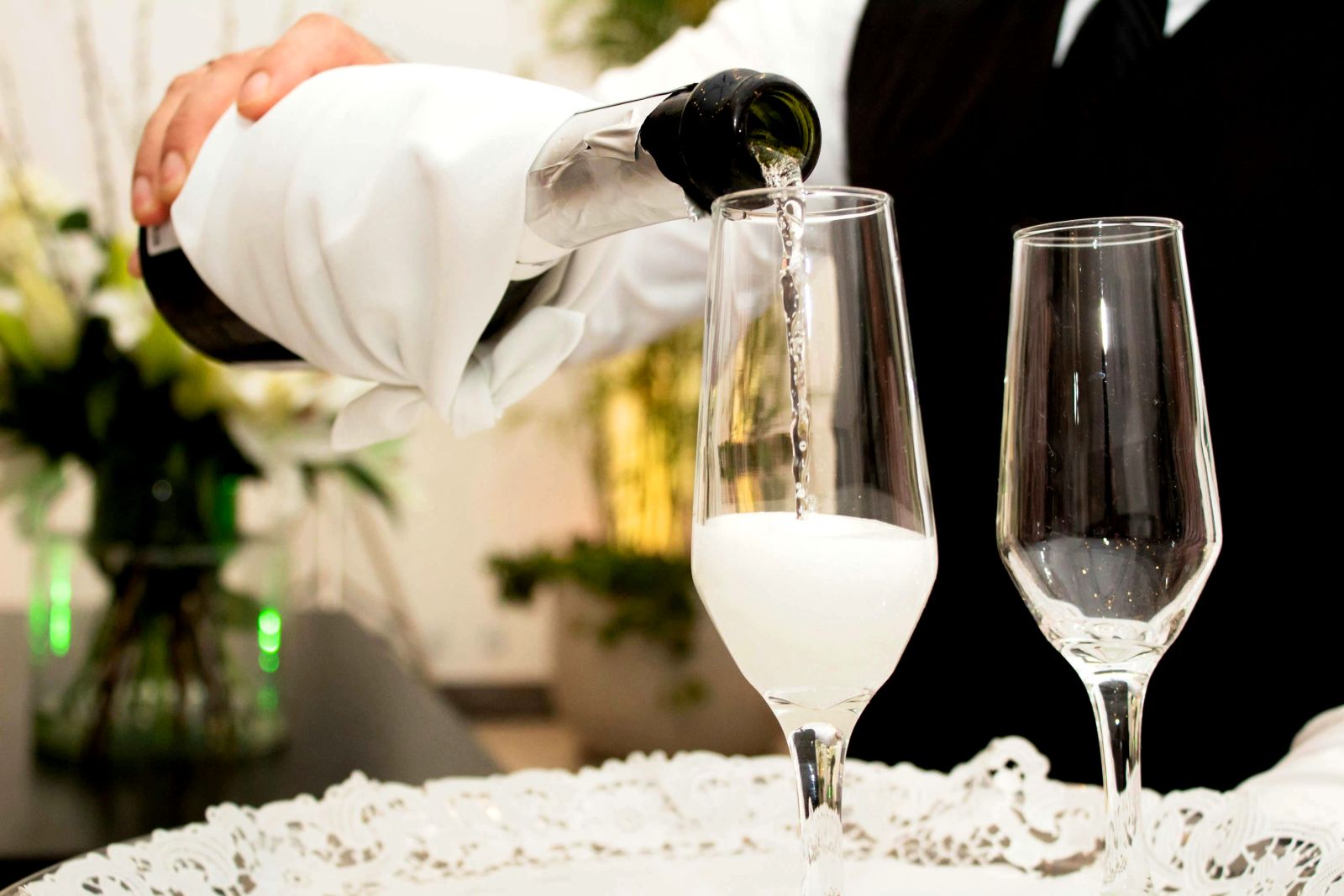
Who hasn't heard of Champagne? The Champagne region, which covers 32,000 hectares and produces about 2,500,000 hectoliters, has significantly contributed to France's international promotion.
The region has created there a special winemaking method called "méthode champenoise," which is characterized by a secondary fermentation in the bottle, to produce its renowned bubbles. Chalky soils and a cool climate make Champagne the perfect place to grow Chardonnay, Pinot Noir, and Pinot Meunier grapes.
Characteristics
Sparkling wines are the main product of Champagne production. The wines offer a variety of flavors depending on the vintage, dosage, and grape variety. Small productions of exception and opulent champagne houses, such as Ruinart, Moët & Chandon, Dom Pérignon, Veuve Clicquot, Deutz… produce their internationally renowned champagne there.
Jura
The Jura vineyards, which are tucked away in the eastern French department between Burgundy and Switzerland, are particularly well-known for their white wines and "vin jaunes." Jura wines are influenced by the limestone and marl soils, as well as the continental climate, which is marked by hot summers and cold winters.
Characteristics
The Jura region's primary benefit is the diversity of its terroirs. Here, excellent wines with distinct originality have surfaced throughout time. In addition to young or aging wines, the Jura region offers light and powerful white wines from Chardonnay and Savagnin grapes and powerful red from Poulsard and trousseau grapes: Yellow wine, Straw wine, Regular Savagnin, Chardonnais etc.
Savoie - Bugey
The Savoyard vineyard, situated in the foothills of the French Alps, features indigenous grape varieties like Altesse, Jacquère, and, for red wines, Mondeuse. The vines are planted between 250 and 500 meters above sea level and are spread across the departments of Savoie, Haute-Savoie, Ain, and Isère. Vin de Savoie, Roussette de Savoie, Seyssel, and Crépy are the four appellations coexisting there.
Characteristics
White wines from Savoie are known for their lively, light flavors and fruity, occasionally exotic, floral scents. The wines can develop honeyed aromas and are complex and refined depending on the appellation. Conversely, the suppleness of Savoie's red wines sets them apart. They smell of red fruits like redcurrants or strawberries and are fairly sweet. Some grape varieties, like Mondeuse, give the wines a spicy flavor and a rich, unique look.
Bugey
Bugey, in the eastern part of the Ain department in the Auvergne-Rhône-Alpes region of France, has a semi-continental climate with mountain and oceanic influences. The average yield of this small wine-growing region, which is frequently linked to the Savoie vineyard, varies depending on the appellation, ranging from around 65 hl/ha for Bugey red to 53 hl/ha for Roussette du Bugey Montagnieu. Together with Cerdon, Manicle, and Montagnieu, the Bugey appellation produces a broad range of wines, including rosé, red, white, and sparkling.
Characteristics
Notes of red fruits, wild berries, cocoa, and leather scents are all present in Red Bugey. There are hints of mint and some toasty notes in white wines, while sparkling wines are enhanced by white fruits and a touch of brioche.
Alsace
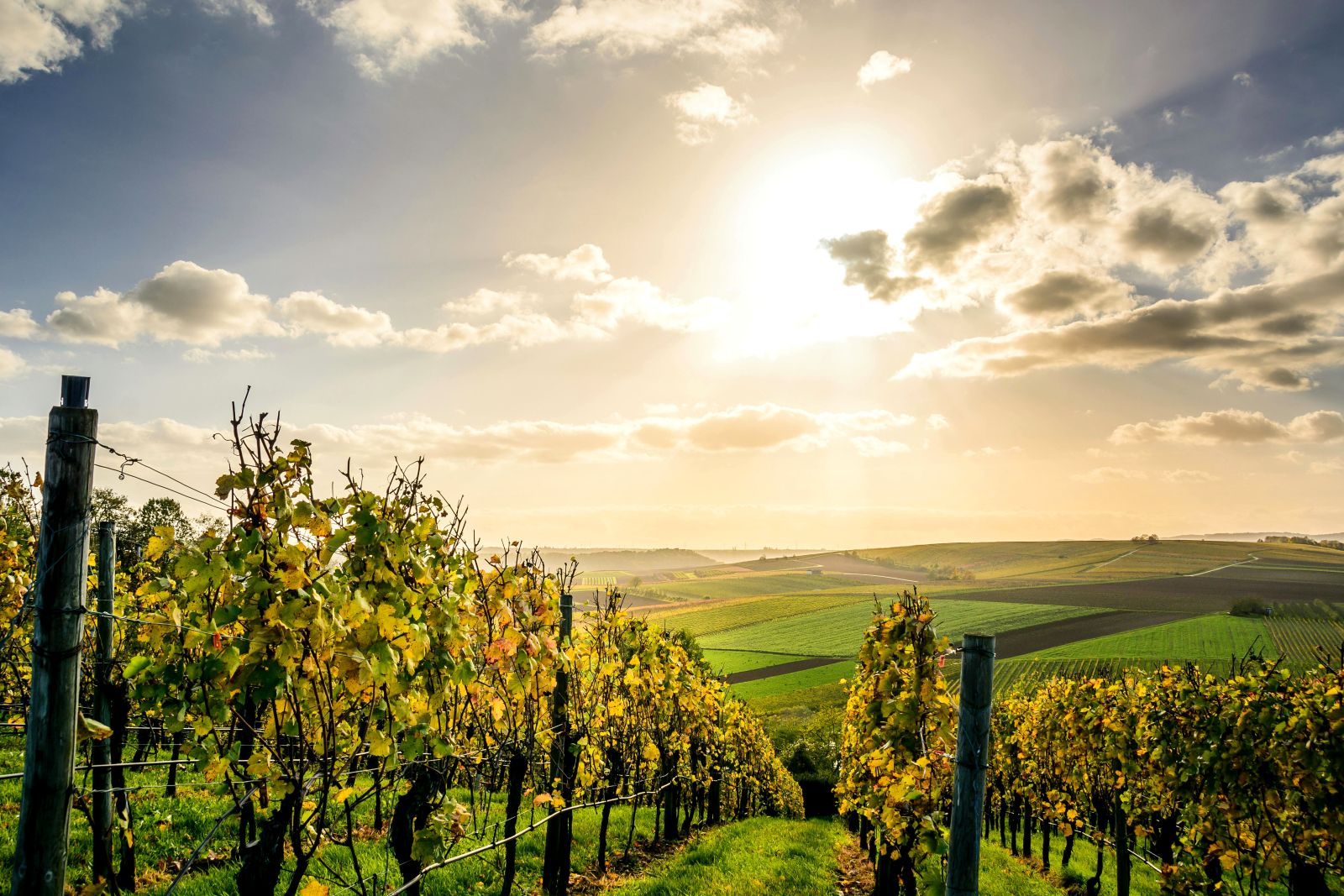
Alsace, with about 15,000 hectares of vineyards producing around 1,150,000 hectoliters of wine annually, is the northernmost wine-growing region in France, along with Champagne. Its vineyards, which span 170 km on the slopes of the Vosges Mountains, are most famous for their fragrant white wines. Its semi-continental climate is dry and sunny, making it the perfect place to grow Riesling, Gewurztraminer, Pinot Gris, and Muscat grapes. Alsace wines, which are frequently single-varietal, even if now blends are more popular (originally Edelzwicker was made of 5 grapes), grow well in schist, granite, and limestone soils. The grape varieties in Alsace are what give the wines their names, not the terroir. The name of the grape variety is therefore very often mentioned on the bottle following the appellation of origin.
Characteristics
Wines from Alsace have an unmatched freshness and finesse because of the rich terroir and extremely varied geology. Every vintage has a distinct personality and texture. Pinot is intense, Gewurztraminer is sweet and powerful, the Riesling is elegant, and Muscat is fruity and fresh.
Lorraine
One of the biggest and oldest wine regions in France is Lorraine, (which originally covered 48 Hectares, but today 100 Hectares are only cultivated) borders Belgium, Luxembourg, and Germany. Lorraine's wines are either made from a single grape variety or blended. About 6,700 hectoliters of wine are produced annually, with rosé wines accounting for 55%, red wines for 20%, white wines for 15%, and sparkling wines for 10%. Grapes variety: Gamay, Pinot noir, Pinot meunier, Auxerrois, Pinot blanc, Riesling…
Characteristics
Depending on its terroir, each appellation offers a distinct flavor profile. Côtes de Toul produces elegant, full-bodied white wines with aromas of fruits such as pear and citrus. They are perfectly served chilled as an aperitif. Côtes de Toul's red wines are soft, aromatic, and a little tannic. The nose and palate smell of spices and red and black fruits. Regarding the rosés, they are some of the fruitiest wines in the area.
Loire Valley
The Loire Valley spans almost 800 kilometers on both banks of the river bearing the same name, including the Loire Valley of Orléans, the Blois region, the Loire Valley of Tours, the Saumur region, and the Anjou region. Its vineyards yield a variety of great wines such as Sancerre and Pouilly-Fumé, Chinon, Bourgueil, etc.
Characteristics
The variety of Loire wines is outstanding in terms of production, vinification, and fermentation, as well as tannins and aromatic flavors, whether it is a white, rosé, or red wine. White Loire wines are known for their distinct freshness and lightness in terms of aromas and flavors, their acidity allowing them to pair well with a wide variety of foods. Grapes variety: Sauvignon blanc, chenin blanc, Chardonnais for white wines. Côt, Cabernet franc for red wines.
Rhône Valley
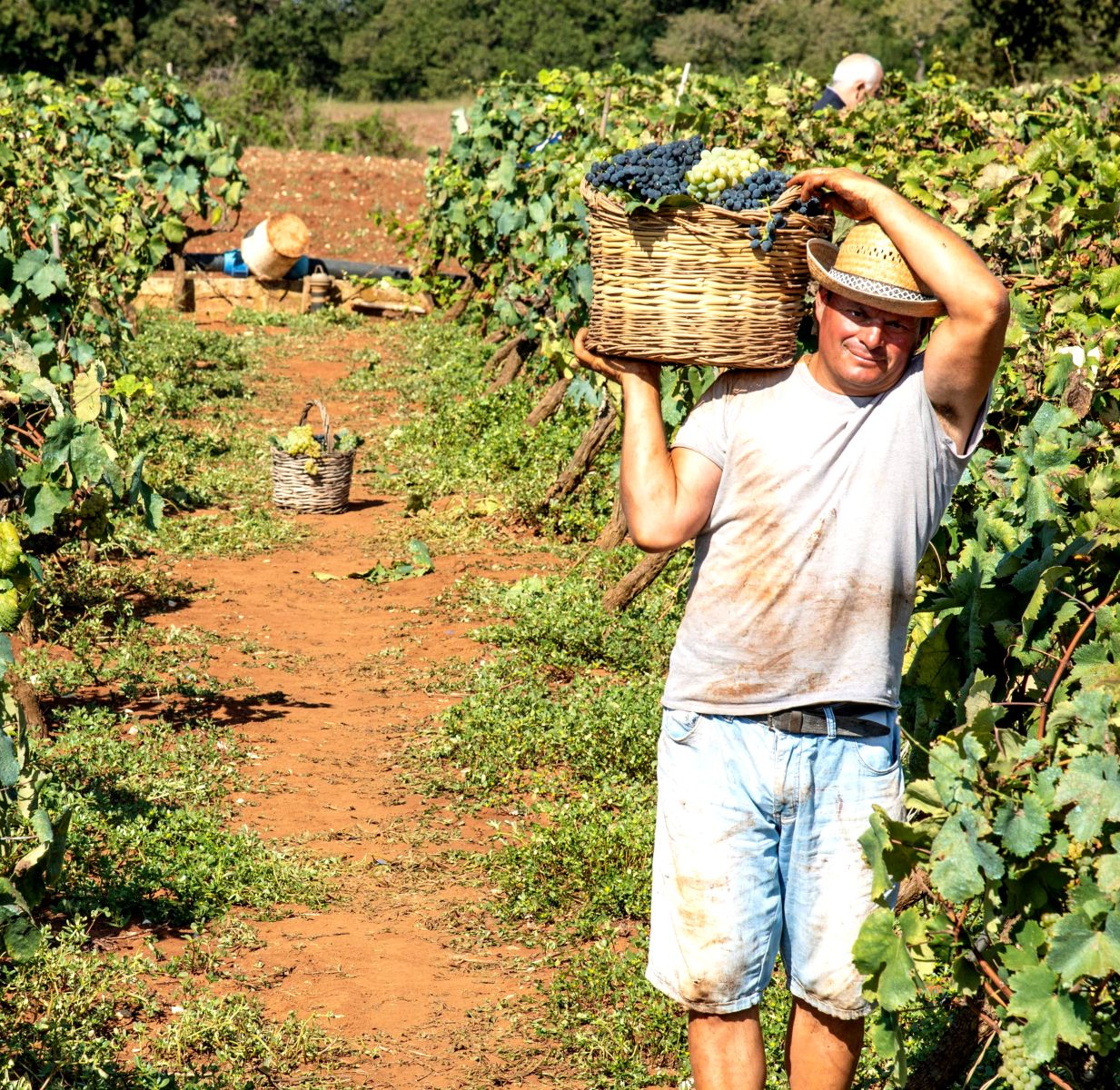
The Rhône Valley stretches 200 kilometers from Vienne to Avignon, separated into the Northern Rhône and the Southern Rhône, and produces a remarkable range of wines, partly because of its Mediterranean climate and diverse pebble, sand, and clay soils. Viognier grapes dominate the Northern Rhône's white wines with Marsanne and Roussane grapes variety, while Syrah dominates its reds with only red grapes allowed. Grenache, Syrah, Mourvèdre, and Cinsault are among the grape varieties found in the Southern Rhône, which is renowned for producing robust red wines and crisp rosés. Together, the 75,000 hectares of vineyards in the northern and southern regions yield about 3,000,000 hectoliters annually. Rich reds from the northern region include Côte Rôtie, Saint-Joseph, Croze-Hermitage, Cornas Vacqueras, Gigondas, Châteauneuf-du-Pape (13 grapes allowed) … For the white wine, Condrieu, St Joseph, Crozes Hermitage is the standard.
Characteristics
Depending on the vineyard and grape variety, Côtes du Rhône wines have different flavors, textures, and bodies. Wines are sophisticated and occasionally take a few years to mature completely. Red wines from the southern region are distinguished by their blend of multiple grape varieties. Thus, we taste the freshness and structure of Cinsault, the fruitiness of Grenache, and the subtle scents of Syrah and Mourvèdre. These are full-bodied wines with flavors of fresh, fragrant herbs, sweet spices, extremely ripe fruit, Red fruits, violet, cocoa, and peppery notes...
Languedoc-Roussillon
One of France's largest wine-growing regions, Languedoc-Roussillon spans 63,000 hectares and produces around 2,500,000 hectoliters a year. This region is well known for its naturally sweet wines, crisp whites, and powerful reds. This winemaking's distinctive appellations, including Corbières, Minervois, and Coteaux-du-Languedoc, are a result of the warm Mediterranean climate and a variety of soil types, including schist, sand, and clay-limestone.
Characteristics
Strong notes of black fruits, garrigue herbs, and sweet spices are common characteristics of red wines. Older wines have more character, while young wines are smooth and round on the palate. White wines are distinguished by their exceptional freshness as well as their honey and white fruit notes. One of the great specialties of Languedoc-Roussillon is naturally sweet wines. Muscats have exotic fruit flavors and are luxurious and rich. Sparkling wines with sweet scents of hazelnut and white flowers, like Blanquette de Limoux, have a low alcohol content with fresh and complex flavors.
Southwest
The Southwest is a diverse and distinctive wine-growing region that is frequently eclipsed by its neighbor Bordeaux. Famous grapes like Malbec, Tannat, Merlot, Gros Manseng, and Petit Manseng are used throughout the region, which stretches from the Atlantic to the Pyrenees foothills. Characteristic wines can be found under appellations like Gaillac, Madiran, and Cahors and Buzet.
Caracteristics
The Southwest's dry white wines distinguished themselve by their intriguing aromatic complexity and freshness. Notes of white flowers, yellow fruits, and spices are present in Jurançon, Gaillac, Fronton, red wine of Madiran and Cahors are strong and have chocolatey scents of spices, black fruits, and occasionally truffles. Sweet wines like Pacherenc du Vic-Bilh and Monbazillac, presents notes of honey and dried fruit.
Provence
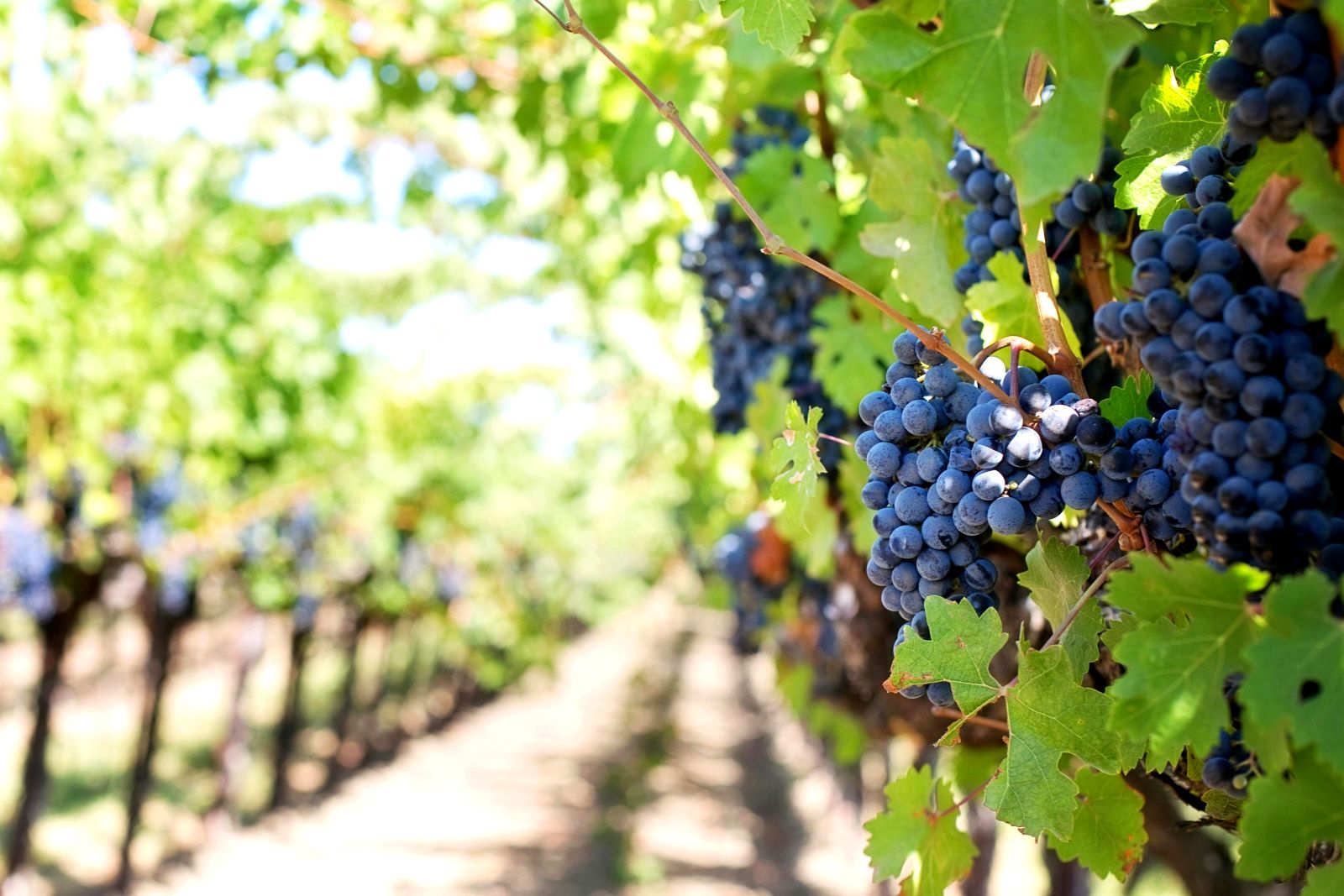
With around 30,000 hectares of vineyards and an annual production of 1,300,000 hectoliters, Provence is the oldest wine-growing region in France and is situated on the country's southeast coast. Although it also makes red and white wines, its rosé wines are its most well-known product. Freshness, fruitiness, and herbaceous scents are characteristics of Provence wines. Cassis, Bandol, and Côtes de Provence are well-known appellations.
Characteristics
The freshness, smoothness, and good aging potential of Provençal white wines are their defining characteristics. These wines have a unique character that combines elegance and complexity thanks to their fruity, floral, and honeyed aromas. Rosés are typically consumed as an aperitif because they are crisp, light, and have citrusy flavors. The freshness, red fruit scents, and garrigue are characteristics that set apart Provence's red wines. In addition to spicy notes, those that have been barrel-aged will have a more tannic and structured side.
Corsica
The strength of the wines of Corsica lies in the wide variety of native grape varieties. Despite their modest size, Corsican vineyards are well known. On its diverse soils and many microclimates, Corsica produces Strong-character wines with notes of maquis and Mediterranean fruits, red, white, and rosé wines. Local grapes like Vermentinu, Niellucciu, and Sciaccarellu give Corsican wines their distinct character known under the appellations of Ajaccio, Patrimonio, and Figari.
Characteristics
Fruity and elegant rosé wines, as well as floral-scented white wines, are perfect for an aperitif but also go well with cheese or a platter of shellfish. The renowned Corsican charcuterie pairs well with fruity light reds, while stronger, tannic reds will complement a game dish or a piece of red meat.